Inclusive Halloween: modifications to make Halloween great for everyone
This post is designed for those families that do not HAVE to make modifications-that they can learn how to make modifications to make Halloween and Trick or Treating for for all regardless of their circumstances. Halloween is a time for fall fun, treats, and trick or treating. There are a few ways in which you can make easy modifications to make halloween great for all those who are trying to get out and have fun this year! The goal is to make participating in Trick or Treating accessible, able to have the treats, and participate no matter their status.
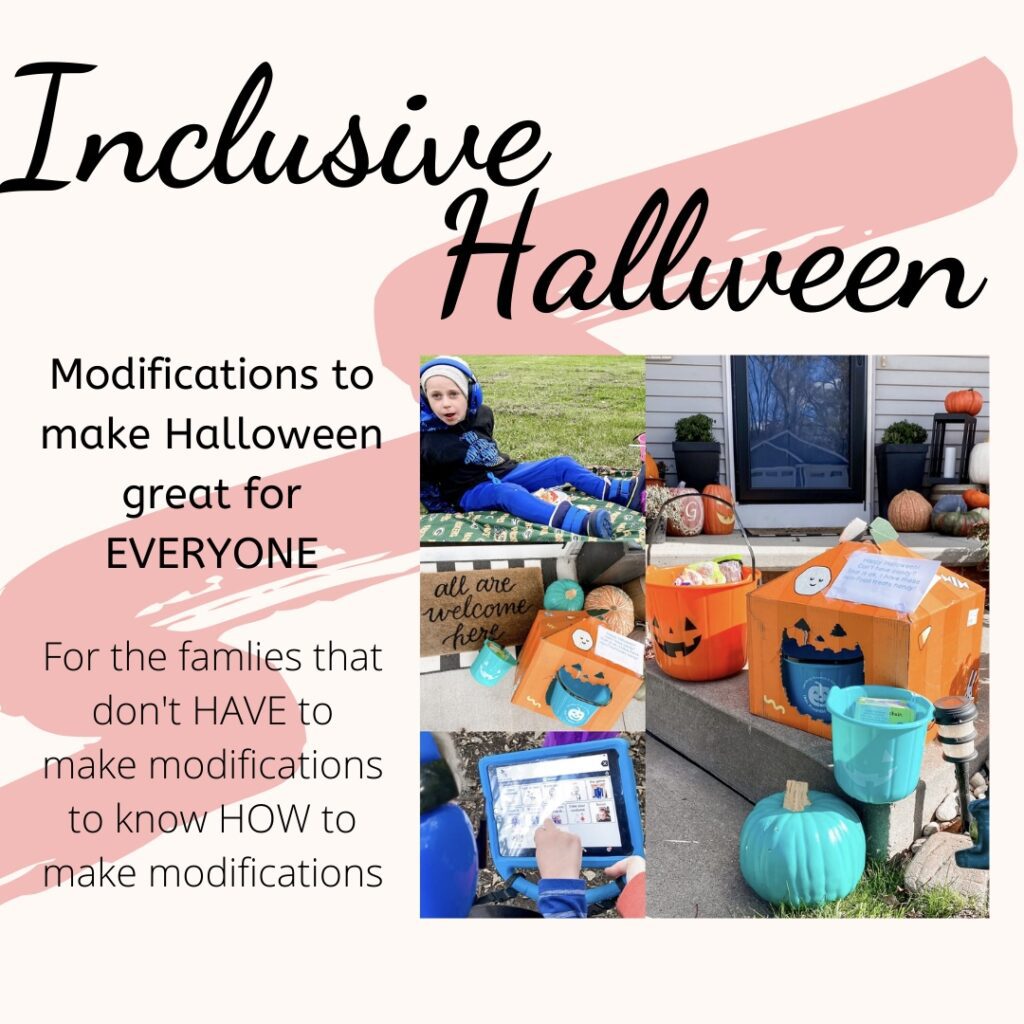
Answering Questions
Kids are curious. They notice when things are different and may ask questions. In most cases, the person/family of the person would rather you ask questions, or fumble through a kind explanation than shush them or act like the modifications are scary. Most families are happy to explain why the modifications are in place.
Some suggestions if, “I am not sure, lets go ask” isn’t an option:
- Why is that big kid in a stroller?
- To help them get around. They may not have the same ability to walk like you so that is helping them move.
- Why is he doing that? Why is she making that noise?
- Maybe it makes them happy. Maybe that is how they show they are happy. That is who they are, they make that movement/sound because that sound comes easy to them. You know how you ___ when you are happy/scared/excited, etc , that is what they do.
- Why does he have those things on his ears?
- Probably because the sound out here are a little too much for their ears. Maybe too much noise/these noises bother them and the headphones help make the noise a little less.
- Why does she get her iPad?
- Everyone needs something different. You don’t need your iPad to go trick or treating but some people need it to talk or feel safe/comfortable enough to go trick or treating.
- What is that wheel chair for?
- Maybe they are not able to walk or cannot walk for a long time. That wheelchair helps them get around so they can have fun trick or treating just like you.
Clear paths for strollers, walkers, & wheelchairs
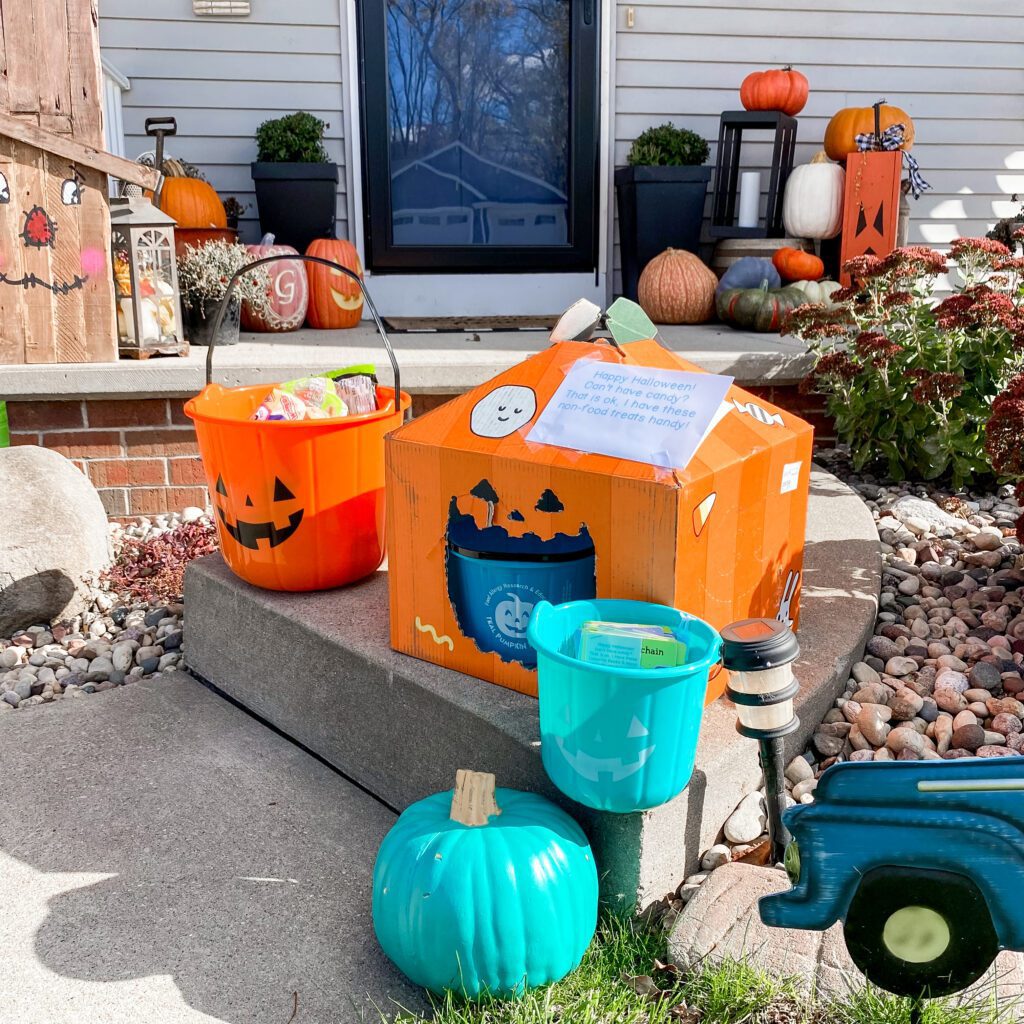
There are many children that are in strollers because of their age. There are also children who are in a stroller because they are struggling with the endurance of walking that long of a time while trick or treating, they are a flight risk, or many other reasons. Don’t judge a child for being in a stroller regardless of how old/capable they look.
Walkers and wheel chairs are also assistive to children of all needs. They assist the trick or treaters in walking or moving. They may also be necessary for the grown up assisting the child trick or treating.Make sure your candy or where you are handing out candy is accessible to individuals who use these should have the ability to get to the doors (or at least porches) too.
While we are on the topic of mobility, please also remember some families have their child on a “leash” or wrist strap for the individuals’ safety. The trick or treater’s safety is number one to the caregivers and they want to be sure that there are no flight risks and everyone can enjoy their time.
Allergies & Nonfood treats- #tealbucketproject
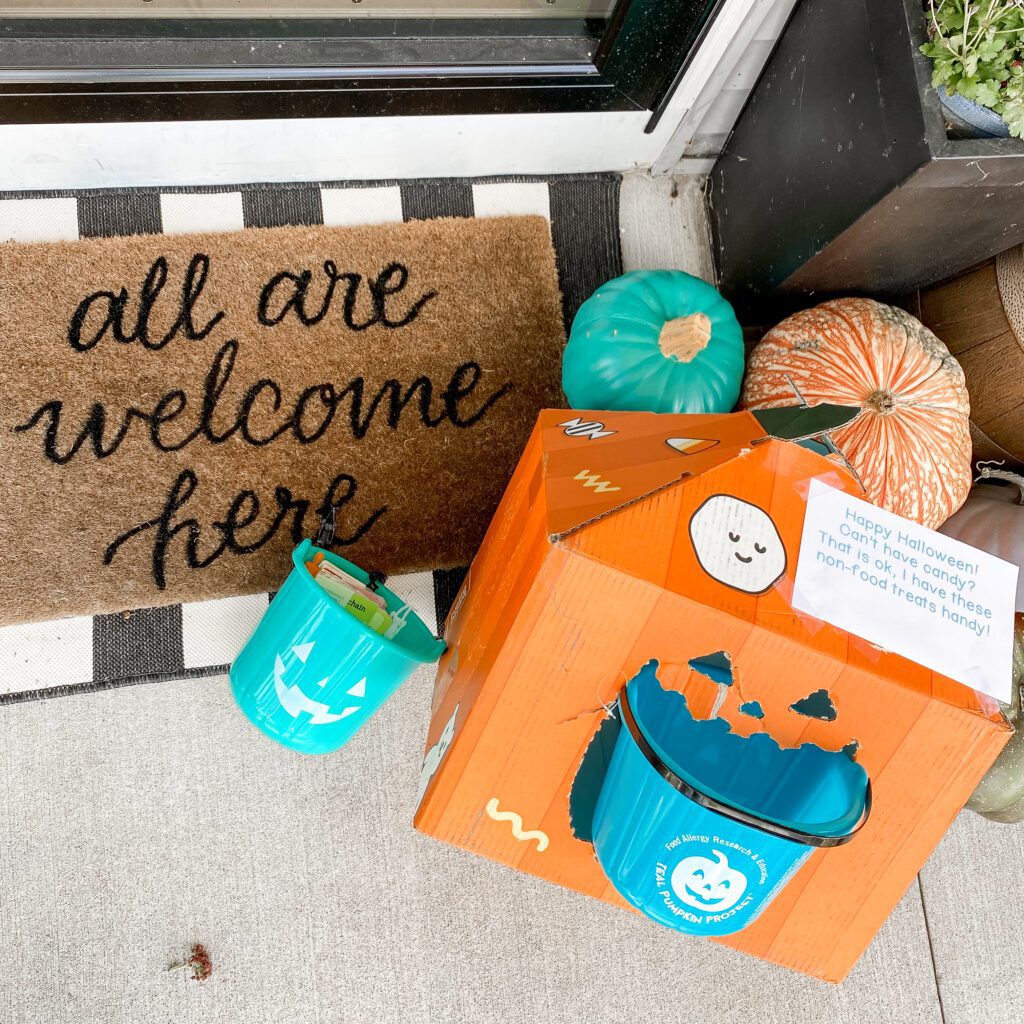
There are many children/families with life threatening allergies. There are also children who have severe reactions to dairy, food dyes and more. These trick or treaters may be carrying a teal pumpkin to let you know they cannot have the food treats.
As a person handing out treats, you can put a teal pumpkin on your porch to allow children with these allergies/sensitivities to know your house offers safe treats to them.
I know full well how great it feels to have someone go out of their way to make it easier on us. It is so much appreciated and just really makes you feel like a better parent that you can help provide what your child needs with the help of others. That is why I decided to do a teal pumpkin every year. I encourage any family that can to do teal pumpkin next year for those who need it. The teal pumpkin and the teal bucket from Target. The cards I used here are from my Usborne Books & More page, but this year I will have additional candy free treats found at dollar tree, dollar spot, or similar locations!
Blue Buckets: Non-Verbal/Autism- #bluebucketproject:
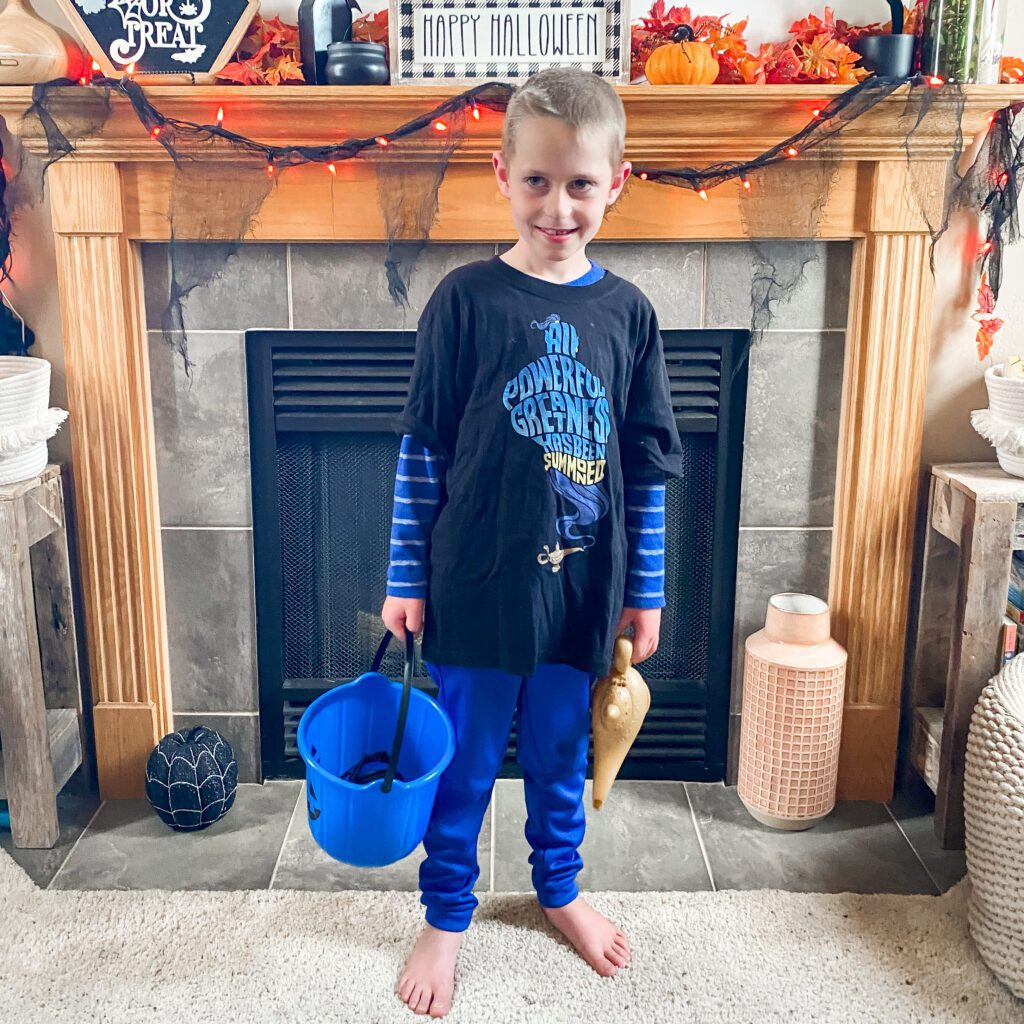
The blue bucket project is controversial as many things are when it comes to the Autism Moms perspective and the Actually Autistic community. The reason this is seen as controversial is part of the community feels that there is no reason to single out the individuals with Autism. Candy/Treats should be provided to the individuals at the door regardless of the vocalizations used, and the age they appear to be. They believe that the individual at the door should get the treat because they are at the door-no singling out the individual and needing to put a bucket yelling it to the world.
Autism moms want to protect, make it easier, don’t want to have to explain multiple times. They want to make it easier for their child and make sure that their child gets the same opportunities without the same expectations. They are trying to make it easier for their child (and themselves from repeating) and they want to spread awareness about the autism to the community.
I can see both sides and I feel I should share both sides. I want all those handing out candy to know what the blue bucket means as well as the fact candy/treats should given out to anyone and everyone regardless of the bucket they are carrying.
Alternative Communication

Some trick or treaters are unable to communicate verbally. This means you may see a child come up with an electronic device, binder, or card saying trick or treat. They may also use sign language.
As encouraging as it may be for you to say, “its ok, you don’t need to say it, here you go!” It may actually be frustrating to the individual to not be able to use their voice, it may be a goal they are working on and would really like the practice, or it may set them off and make them feel rushed. If the individual is trying alternative communication, please give them the time to do so.
Medical/Sensory Devices
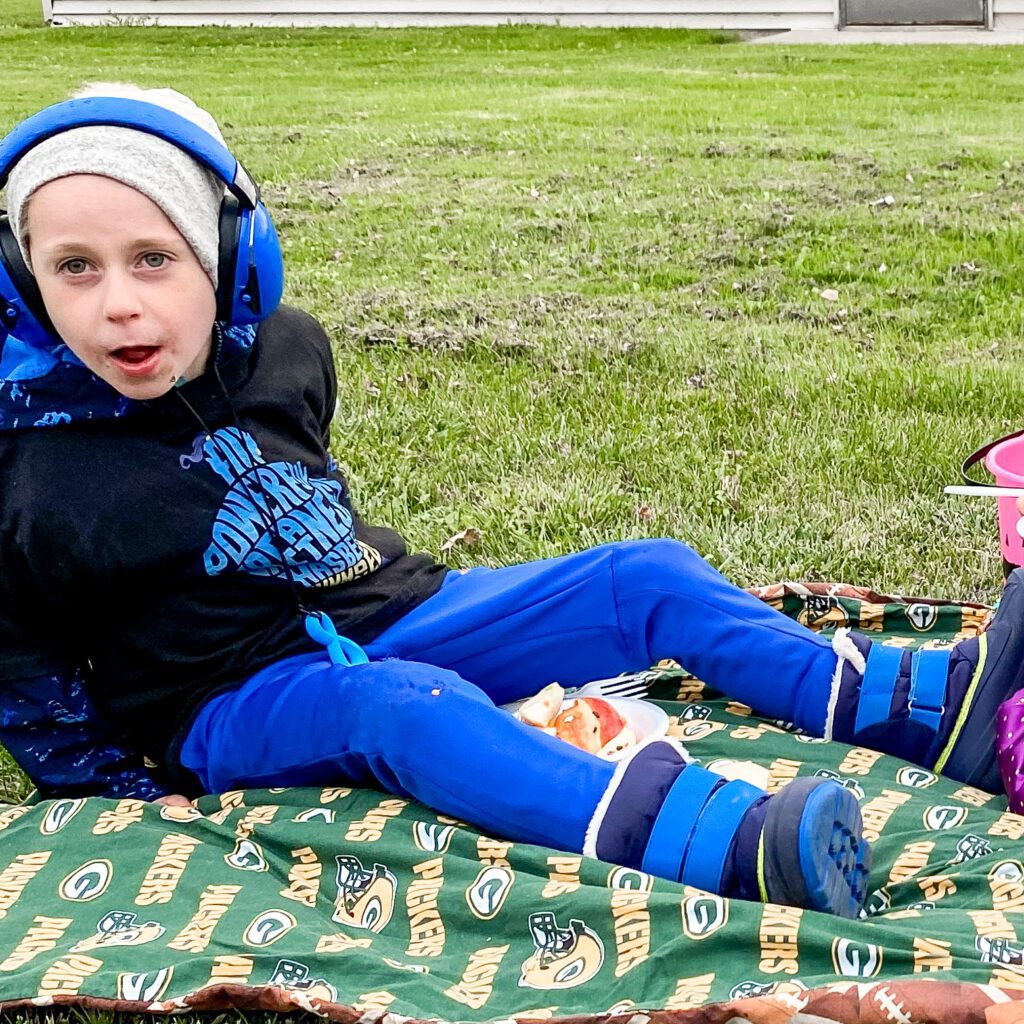
Some trick or treaters may have devices or sensory items with them. This can include a variety of things: oxygen, headphones, talker devices, chewlery, chewing devices, comfort items, etc. Make modifications so that the item can get through, but otherwise see the person not the device. Talk to them as you would anyone else, no need to slow speech or get louder. No need to feel sorry for them. No need to be afraid of the person/object.
Alternative Costumes
Some children cannot do costumes for a variety of reasons. They may have on a shirt/items of clothing that are representation of a costume. Some just do not wear a costume. Either way, if they are out trick or treating, they should be accepted as doing their best to be out trick or treating.
Teens
There has been discussions of teens going trick or treating and people telling them they are too old. At the same time, if a teen is choosing to hold onto childhood just a little longer by trick or treating or making the choice to do something fun with friends that is both safe and respectful, they should be allowed.
At the same time, you never know if trick or treater that LOOKS too old really is. There are many intellectual abilities and these older looking trick or treaters may look older but intellectually be younger–and still thoroughly enjoy trick or treating.
The Moral
The moral of my post is simple. Make Halloween inclusive to all. Colored bucket or not, allergies, mobility, or age. None of it should matter-Halloween-and the treats–should be open to all who want to enjoy it.


You May Also Like
19 Weeks
Flying/Traveling with 3 kids 5 & under and special needs, too!

